
HOW TO BE YOURSELF IN AN ERA OF CONSTANT INFLUENCE
Oct 31, 2026
What if the midlife crisis isn't about losing yourself, but realizing how much of yourself you've built around other people's expectations?
The life that looks right, but doesn't feel right
Imagine waking up one morning and realizing that the life you've spent years building doesn't feel entirely like your own.
Your career looks good on paper. You've developed valuable skills, earned recognition, and become someone others can rely on. Yet something feels unfinished.
So you start looking for answers. Perhaps a new career, a different environment, or another ambitious goal will bring back the excitement you remember.
I've come to see this tension as one of the most revealing questions we can encounter in midlife:
Am I building a life that reflects who I am, or maintaining one that reflects who I've learned to be?
My own journey has taught me that identity extends far beyond a job title.
With a BA in English Literature and an MBA in Business, I've built a career spanning more than 19 years in recruiting and career development, while remaining curious about the people behind the professional roles they occupy.
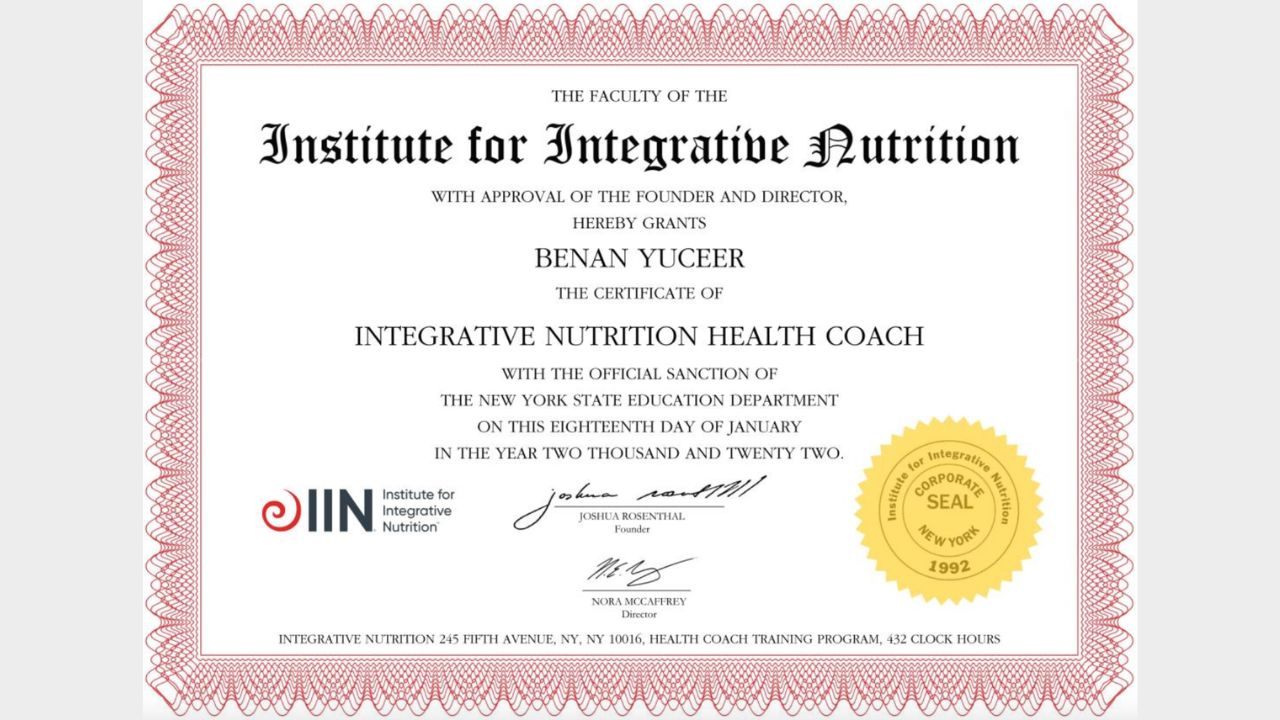
Later in life, that curiosity led me to explore leadership, psychology, neuroscience, and holistic health, including earning a certification in nutrition and holistic health through the Institute for Integrative Nutrition, the world's largest nutrition school.
Sports have also been an integral part of my life for more than 4 decades, from playing soccer, basketball, football, and volleyball to swimming, windsurfing, snowboarding, and pickleball.
These experiences have taught me that we are far more than our professions, achievements, or the labels others assign us.
But recognizing that intellectually is one thing. Learning to live accordingly is another.
And sometimes, midlife is when the gap between the two becomes harder to ignore.
The midlife crisis may not be what we think
Popular culture tells a familiar story about midlife. Someone reaches their 40s, questions everything, buys something expensive, changes their appearance, or abruptly pursues a different life.
But research presents a more nuanced picture. A 2009 review by psychologists Alexandra Freund and Johannes Ritter questioned whether a midlife crisis is a typical developmental event. People certainly experience difficult transitions, but a crisis isn't an inevitable consequence of reaching a particular age.
Career dissatisfaction, changing relationships, aging, and a heightened awareness of time can all prompt reflection. These experiences deserve attention without automatically being labeled a crisis.

Perhaps the more useful question isn't, "Why am I having a midlife crisis?"
It's, "What is changing within me, and what is asking for my attention?"
Sometimes, what we call a crisis is the discomfort of outgrowing an identity that once served us well.
- The ambitious professional who once measured success through promotions may begin valuing autonomy.
- The person who built an identity around pleasing others may start questioning the cost of always being agreeable.
- The person who spent years proving their capabilities may finally wonder what they want to do with them.
These aren't necessarily signs of failure. They may be invitations to reassess the relationship between external achievement and internal fulfillment.
The identity gap: Who I appear to be versus who I am
We all have an identity we present to the world and an internal experience that others may never see.
On the outside, we have roles to fulfill, expectations to meet, and reputations to maintain. On the inside, we have values, interests, doubts, and needs that don't always fit neatly into those roles.

The gap widens when our external identity becomes more important than our internal experience.
- We say "yes" because we want to be dependable.
- We pursue a promotion because it validates our worth.
- We avoid a career change because we fear disappointing people who believe they know who we are.
Eventually, the decisions that once helped us succeed can become the very things that make us feel disconnected.
Over time, I've come to recognize how easily we mistake one dimension of ourselves for our entire identity, allowing the roles we perform to overshadow the person we are beyond them.
You can be proud of the person you've become and still recognize that your current identity doesn't capture everything you are.
That isn't ingratitude. It's self-awareness.
What Joe Dispenza teaches us about breaking familiar patterns
In Breaking the Habit of Being Yourself, Dr. Joe Dispenza explores how habitual thoughts, emotional responses, and repeated behaviors reinforce our familiar sense of self.
Consider someone who has spent years being rewarded for achievement. They learn to associate productivity with worth, recognition with success, and rest with falling behind.
Even when their priorities change, they may continue behaving according to those old rules.
They want a more balanced life but feel uncomfortable slowing down. They consider a career change but repeatedly talk themselves out of it. They recognize that external validation no longer satisfies them, yet continue seeking it.
The problem may not be a lack of ambition. Familiar patterns can operate beneath conscious intentions.
Dispenza's framework invites us to examine the patterns that shape our behavior, rather than assuming that changing our circumstances will automatically change how we feel.
I find that distinction valuable, while recognizing that some of his broader claims, particularly those involving quantum physics and personal transformation, aren't established scientific conclusions.
The practical takeaway is simple:
Before trying to change your life, pay attention to the patterns influencing the choices you make.
Awareness creates room for a different response

Imagine receiving critical feedback at work.
Your familiar reaction might be to interpret it as evidence that you're not good enough. You become defensive, overprepare for the next meeting, or spend hours replaying the conversation.
With greater self-awareness, you can notice the reaction without immediately treating it as truth.
You might ask yourself:
Am I responding to the feedback itself, or to an old fear of disappointing others?
That pause gives you a chance to respond more deliberately, rather than reacting automatically.
You may not control the first thought or feeling that arises, but you can learn to question it before deciding what to do next.
Why we try to reinvent ourselves from the outside

When we feel disconnected internally, external change can seem especially appealing.
- A new wardrobe can make us feel refreshed.
- Travel can provide perspective.
- A career transition can open possibilities.
- A new physical routine can improve our energy and confidence.
These changes can be meaningful. The problem arises when we expect them to answer questions they cannot answer for us.
- You can change companies and still feel compelled to prove yourself.
- You can achieve another milestone and still wonder whether you've done enough.
- You can receive more recognition and remain uncertain about what genuinely matters to you.
I've learned to appreciate the difference between expanding my life and trying to escape an uncomfortable feeling.
A new job, environment, or routine can open doors. But if the beliefs driving your dissatisfaction remain unexamined, familiar frustrations may follow you into your next chapter.
Before making a major change, ask yourself what you hope it will give you. The answer can help you distinguish between a change that genuinely supports your growth and one that simply offers temporary relief.
Becoming yourself is a process of alignment

Being yourself doesn't mean uncovering one permanent identity hidden somewhere inside you.
We evolve through relationships, experiences, responsibilities, and new perspectives.
To me, alignment means allowing that evolution to inform how you live.
Your choices, behaviors, and priorities begin to reflect what matters to you today, rather than being governed solely by old expectations or familiar definitions of success.
This doesn't require rejecting your past. The person you've become was shaped by experiences that taught you valuable lessons, even when those experiences no longer define the direction you want to take.
You can honor where you've been while remaining open to who you're becoming.
Your next chapter begins with a better question
Instead of asking, “Who should I become?” ask, “What would it look like to live more in alignment with who I am today?”

Start with these 3 questions:
-
What gives me energy? Write down three moments from the past week when you felt engaged, fulfilled, or most like yourself.
-
Whose expectations am I following? Identify one decision shaped by the desire for approval or the fear of disappointing someone. What would you choose if that pressure were removed?
-
What will I do differently? Choose one small action this week that reflects what matters to you, whether that's setting a boundary, making time for an interest, or reconsidering a goal.
You don't need to have your entire future figured out.
Start with one honest observation and one intentional choice.
Over time, these choices can help you build a life that feels more like your own.
Ready to understand yourself beyond the labels?
You've spent years building your career, meeting expectations, and becoming the person others know you to be.
But how well does that identity reflect who you are today?
The Identity Clarification Workbook helps you look beyond your roles and achievements to:
- Explore your personal story,
- Recognize what matters to you, and
- Gain clarity about the next chapter you want to create.
For $17, you can begin a structured process of self-reflection to better understand who you are, who you're becoming, and how you want to move forward.
Download your workbook and start exploring what a life more aligned with you could look like.
Got Questions?
I'd love to hear from you! Ask away, and let’s explore the answers together.

